Project Overview
A collaboration between SCADPro and Deloitte. Our team worked on addressing barriers within the Women, Infants, and Children (WIC) Program—an essential service that provides nutrition and health support to low-income families.
Despite its impact, WIC continues to struggle with low awareness, difficult enrollment processes, and cultural or language barriers, resulting in only 51% of eligible families being enrolled.
Problem Statment
Deloitte challenged us to rethink how WIC agencies communicate and deliver services to families. Limited resources, no online application, privacy concerns, and office hours that don’t support working parents all contribute to low participation. Our task was to design solutions that improve access, increase awareness, and ultimately support better maternal and child health outcomes.
Project Goals & Time Line
-
Conduct market and user research to uncover barriers to enrollment.
-
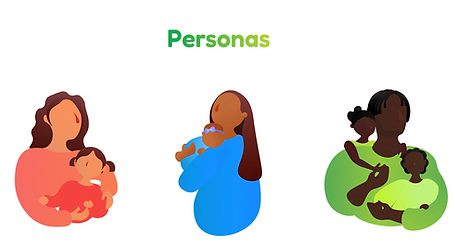
Develop personas and user journey maps for key customer groups.
-
Create a marketing and campaign toolkit to help Deloitte strengthen WIC’s outreach and impact.
-
Recommend strategies that make WIC more accessible, inclusive, and culturally relevant.

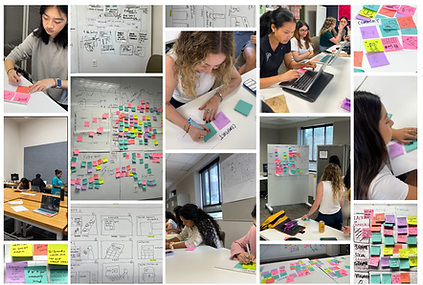
Concept Sketches For Project Proposal
1. WIC Pop-Up Center


Concept Sketches
2. Digital Awareness Campaign


Concept Sketches
3. Welcome Kit


Concept Sketches
4. Admin, Community & Connections


Concept Sketches


Final Visual Designs


Digital Campaign
Add Design
Illustration & Motion
design by Kristine Zhou


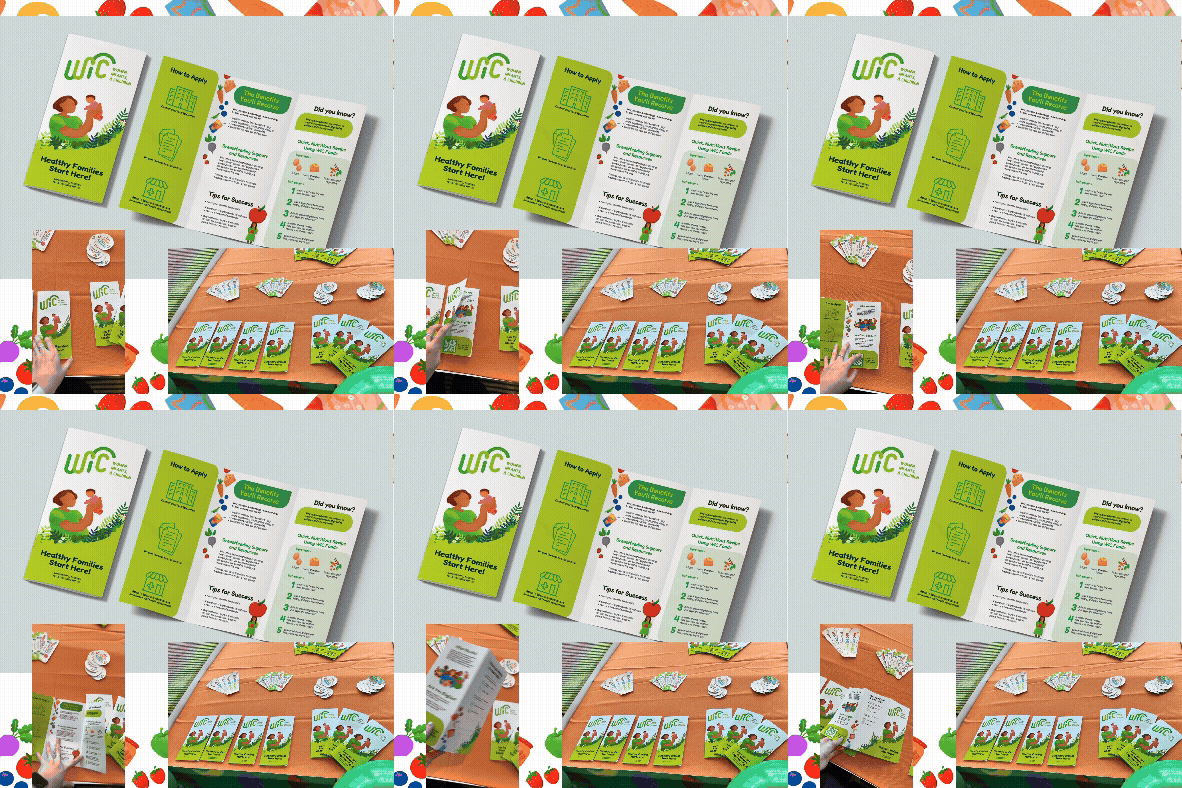
Brochure
Illustration by Kristine Zhou
Graphic layout by Ariana Calderon


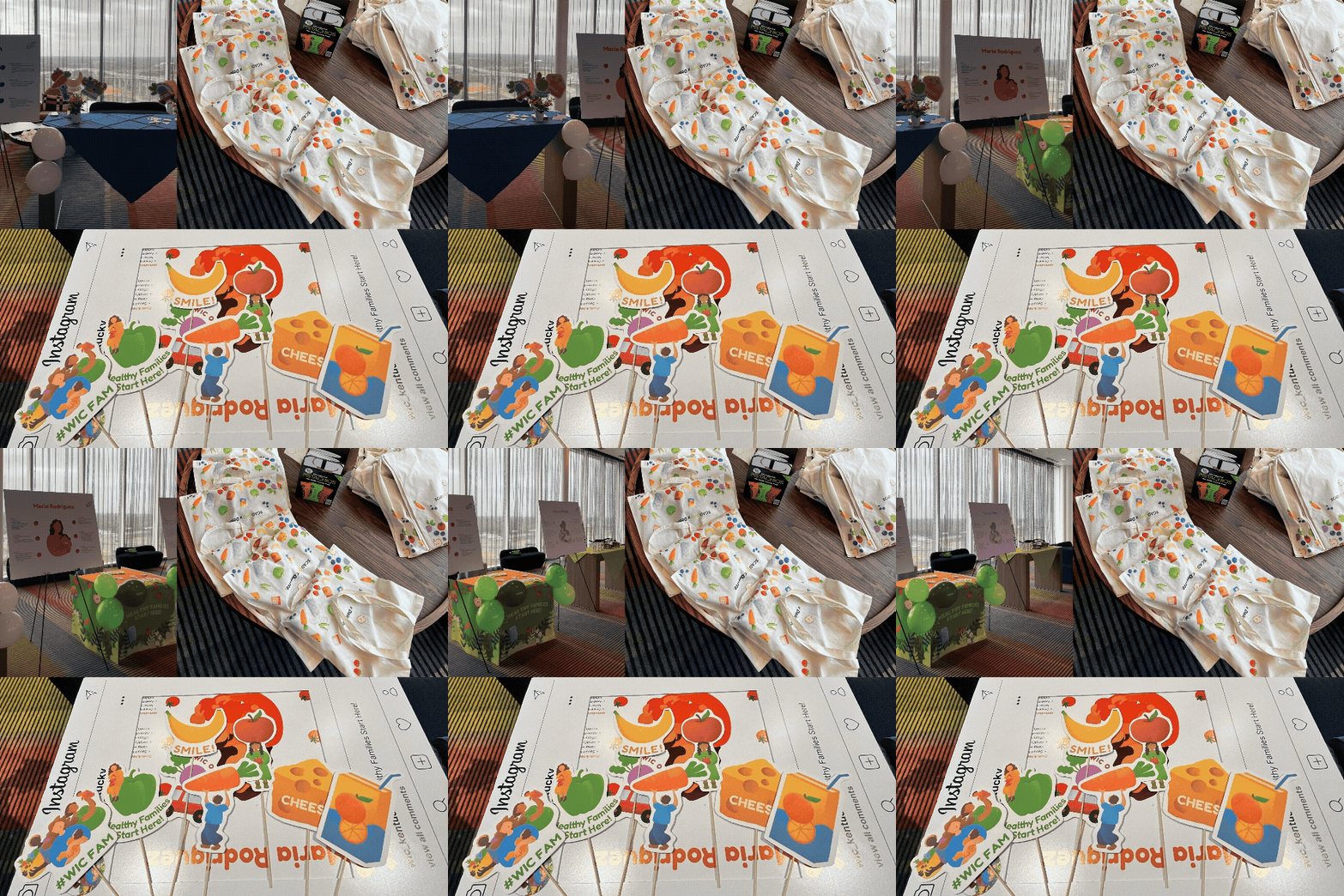
Posters
Illustration by Kristine Zhou
Graphic layout by Ariana Calderon
Project Outcomes
Our final delivery focused on improving awareness, reducing access barriers, and helping agencies connect with more eligible families. The project also strengthened Deloitte’s strategy and toolkit for communicating the value of WIC in a more human-centered and culturally responsive way.
Learning Beyond Illustration
This project showed me how design can support real families and improve access to public services. I learned how to conduct user research, communicate with stakeholders, and turn insights into clear, accessible visuals. Working with a multidisciplinary team also strengthened my understanding of human-centered design and how visual design contributes to meaningful, real-world solutions.